
Small-Bay Industrial on the South Shore: Why the Tightest Segment of the Market Is Getting Tighter
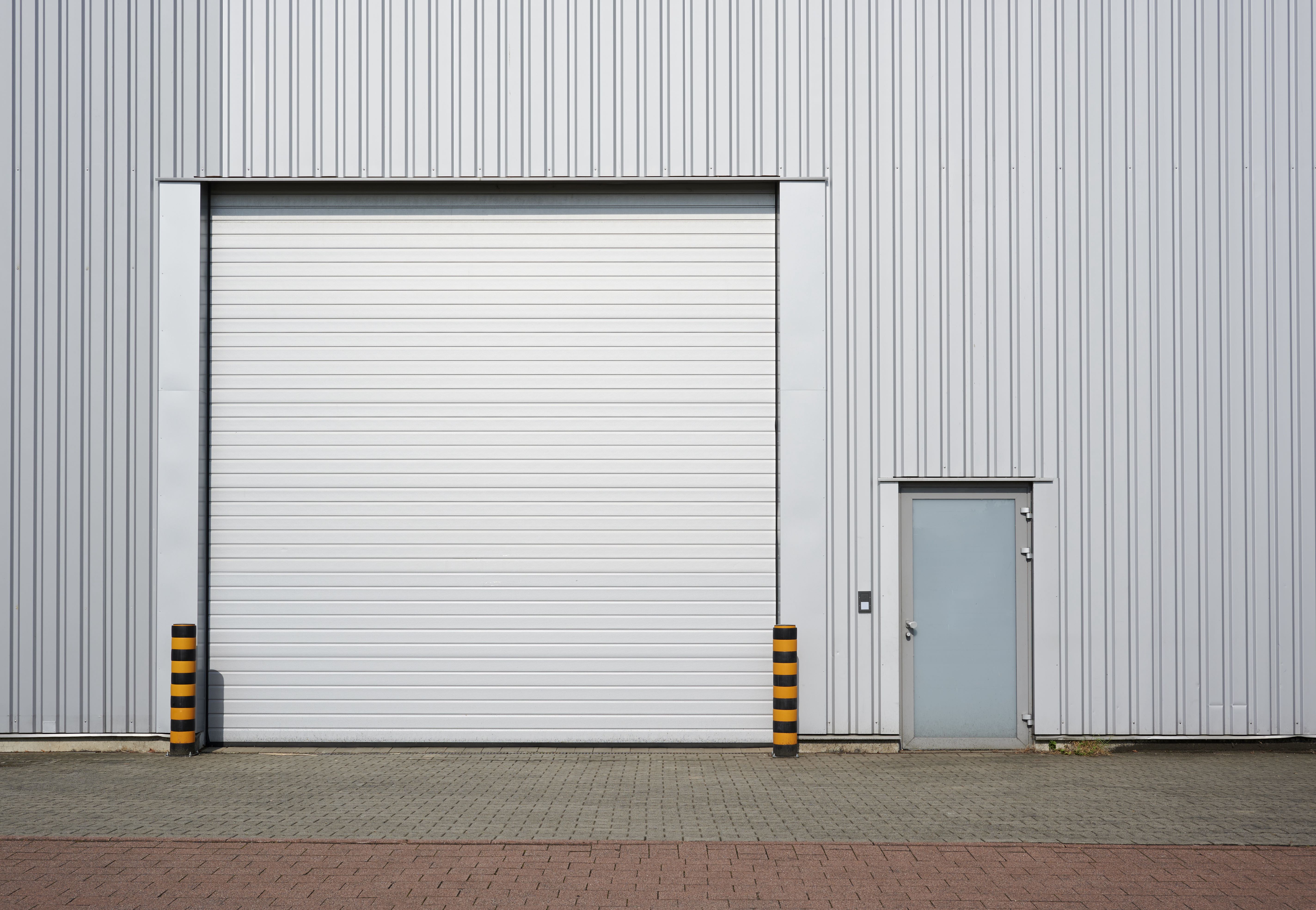
Small-bay industrial on the South Shore. Limited supply, steady demand, and a flex vacancy rate that hasn't moved above 4% in two years.
The national industrial market gets discussed as a single story. It is not.
The headline numbers are consistent across most reports: rising vacancy, softening rents, a wave of new supply. Those trends apply almost entirely to large-format logistics facilities, the 200,000 SF and up distribution centers that flooded the market during the post-COVID buildout. That correction is real. It is also largely irrelevant to the South Shore.
The market for small-bay industrial product sits in the 10,000 to 50,000 SF range. It serves manufacturers, contractors, distributors, and specialty service operators. Supply is limited. Demand is steady. The gap between what tenants need and what the market can deliver is, if anything, widening.
What the Data Shows
Nationally, small industrial spaces remain scarce. New development in this size range has been limited while demand has stayed consistent. While big-box vacancy climbs, sub-50,000 SF product continues to hold firm on both occupancy and rent.
In Greater Boston, the supply picture is more pronounced. Construction of mid-size industrial buildings has fallen nearly 90% since late 2023. There are currently no buildings over 500,000 SF under development in the metro. The pipeline has effectively closed.
On the Route 3 South submarket specifically, the data draws a sharp distinction between two markets operating under the same label. The broad submarket vacancy rate sits at approximately 14% as of Q2 2026, that number reflects the large-format warehouse correction. It gets the headlines. It is not the relevant number for a tenant or investor looking at functional small-bay product.
The flex segment tells a different story. Flex vacancy in the Route 3 South submarket is currently 2.5%. That figure has held consistently between 2% and 4% for the past two years. There is zero flex space under construction in the submarket as of Q2 2026. Asking rents have increased every single quarter for the past decade without exception. That is not a market with a supply problem. That is a market without enough supply.
Flex vacancy in the Route 3 South submarket is currently 2.5%. Asking rents increased every single quarter for the past decade without exception.
What It Means South of Route 128
The South Shore industrial market has operated near historically low vacancy for several years. Route 3 access. Proximity to Boston without Boston land costs. A deep, established base of trades and service businesses that need functional space to operate.
What has changed is the forward supply picture.
New construction at meaningful industrial specification is rare south of Route 128. Land constraints, municipal zoning patterns, and construction economics make speculative development difficult to underwrite in this corridor. When functional product turns over, it does not sit long. When it does not turn over, there is nothing to replace it.
What We Are Watching
Build-to-suit activity is picking up across the region. As the speculative pipeline has thinned, more tenants are entering build-to-suit conversations earlier, committing before shovels go in the ground in exchange for purpose-built specifications. For tenants with a defined space requirement and a 5 to 10 year horizon, that path is worth serious consideration.
Investment sales volume for Boston-area industrial properties reached a four-year high in 2025, with average sale prices rebounding to $206 per SF. Owners of functional small-bay product in supply-constrained submarkets are in a stronger position than the broad market headlines suggest.
On the Ground
This is the environment we are operating in. Tenants seeking functional industrial space on the South Shore in the next 12 to 18 months are not looking at a wide-open market. They are looking at a corridor where purpose-built product is scarce, speculative development is limited, and the most direct path to the right space may be a conversation that starts before a site is widely marketed.
That dynamic is exactly why Overtime Real Estate is bringing a new build-to-suit industrial opportunity to market at 155 Commerce Way in Marshfield. The proposed development will offer approximately 16,000 SF of warehouse space with 26,000 SF of improved outdoor storage along the Route 3 corridor.
In a supply-constrained market, the most valuable conversations often begin early. If you're evaluating industrial space or planning a future requirement, let's start the conversation early.


